
Why I Created CorbsWorld
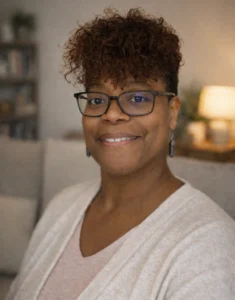
CorbsWorld was created by Courtney, a parent of a neurodivergent child who spent years navigating daily transitions that often felt overwhelming for everyone involved.
Mornings could unravel quickly. Ending screen time led to frustration. Bedtime stretched longer than expected. What seemed like simple moments were anything but simple in our home.
My son has ADHD and some spectrum-related challenges, which meant transitions were especially hard. I searched for tools that could truly help, but what I found was often too clinical, too expensive, or too fragmented to work in real life.
What was missing was something that felt natural, supportive, and complete.
I needed a way to help him understand what was happening, what was coming next, and how to move through those moments with less stress and more confidence.
So I created one.
CorbsWorld is the resource I wish existed when my son was younger. It’s shaped by lived experience, informed by research, and designed to work in real homes, not just in theory.
Disclosure:
I’m not a licensed therapist or clinician. I’m a parent who has learned what works through experience with my child and guidance from professionals. CorbsWorld tools are designed to complement professional support, not replace it.
A Calm, Supportive Approach to Everyday Transitions
CorbsWorld was created to support children and their caregivers as they navigate everyday transitions that can feel overwhelming.
Moments like ending screen time, starting a new activity, adjusting routines, or preparing for something unfamiliar can be especially challenging for children who need more time, structure, or support to process what’s happening.
At CorbsWorld, we believe children do best when expectations are clear, transitions are predictable, and support is offered with patience and understanding.
Our tools are designed to help children see what’s coming next, feel more prepared, and move through transitions with greater confidence.
CorbsWorld is not about fixing children or pushing them to adapt faster. It’s about meeting them where they are, offering structure without pressure, and helping caregivers guide transitions in a way that feels calm, supportive, and realistic for everyday life.
